New Company Profile Keynote Template: A Designer's Guide
Many professionals and creatives hit a wall when they need to present a new business idea, pitch a service, or showcase a company profile. The challenge isn't just the content; it's the design. Creating a visually compelling and cohesive presentation from scratch is time-consuming, and hiring a designer for every new pitch isn't always feasible. This is where a well-crafted template becomes an invaluable asset, acting as a foundational design system that ensures consistency and professionalism.
The New Company Profile Keynote Template is a premium presentation template built for Apple's Keynote software. It's not a font, but a complete, pre-designed framework for building company overviews, service pitches, and brand showcases. Its visual personality is modern, clean, and corporate, yet approachable. Think of it as a versatile design asset that provides a structured canvas. The style typically features a balanced mix of sans serif fonts for body text and impactful serif fonts or clean display fonts for headings, creating a clear visual hierarchy. The color palette is usually neutral and professional, with accent colors that can be easily customized to match any brand identity. Large, full-bleed image placeholders and clean infographic layouts give it a contemporary edge, moving beyond bullet-point slides to a more narrative, editorial flow.
Where This Template Shines: Practical Applications
The true value of the New Company Profile Keynote Template lies in its adaptability across a spectrum of projects. For entrepreneurs and small business owners, it's a direct path to creating a polished investor pitch or a client-facing capabilities deck. The structured slides for mission statements, team bios, service breakdowns, and financial data remove the guesswork, allowing you to focus on your story. Marketers and brand strategists can leverage it for internal brand guideline presentations or campaign proposals, ensuring every slide reinforces the brand's visual hierarchy and core message.
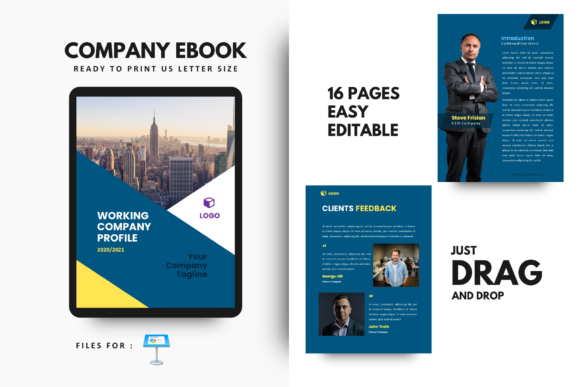
Beyond the boardroom, its utility extends to content creators and publishers. Imagine using its clean layouts to present a book concept or a series of company eBooks to potential partners. The design supports large, full-page photographs, which is perfect for showcasing products, portfolios, or recipe books, much like a dedicated editorial design project. For bloggers and crafters, it can transform a simple tutorial or workshop proposal into a professional-looking document, elevating the perceived value of their offering.
Making It Your Own: Customization and Strategy
While the template provides a robust starting point, its power is unlocked through customization. The first step is aligning it with your brand identity. This goes beyond slapping your logo on the title slide. Use the template's master slides to adjust the color scheme to your brand's hex codes. Swap out the placeholder sans serif font with your brand's primary typeface, or use the template's suggested font pairing as a guide for creating a harmonious typographic system. This ensures every slide, from the introduction to the thank you, feels uniquely yours.
Think strategically about content flow. The template is designed for a logical progression, but you should rearrange, duplicate, or remove slides to fit your specific narrative. Use the infographic slides to simplify complex data, and the image-heavy layouts to create emotional resonance. For a digital presentation, consider the pacing; for a print-out or PDF handout, ensure text has enough breathing room for readability. The goal is to use the template's structure to enhance your message, not constrain it. It’s a tool for building professionalism and consistency, which are critical for audience engagement and building brand recognition.
Choosing the Right Template: A Practical Checklist
Before committing to a template like this, evaluate it against your project's needs. First, assess the visual style. Does its modern typography and clean aesthetic align with your industry? A tech startup might thrive with its sharp lines, while a heritage artisan brand might need to customize it more heavily. Next, examine the slide variety. Does it include layouts for your specific needs—a team slide, a pricing table, a portfolio grid? A good template offers flexibility without being overwhelming.
Test the font pairings included. Are the suggested heading and body fonts legible at various sizes? Do they convey the right tone? A strong premier font for headings can set the stage, but it must pair well with a readable body font. Finally, review the licensing. Ensure it permits commercial use for all your intended purposes, whether it's a client presentation, a web design mockup, or social media graphics derived from the slides. The best templates are those that save you time, elevate your work, and provide a solid foundation upon which you can build a compelling and consistent visual story for your company.